

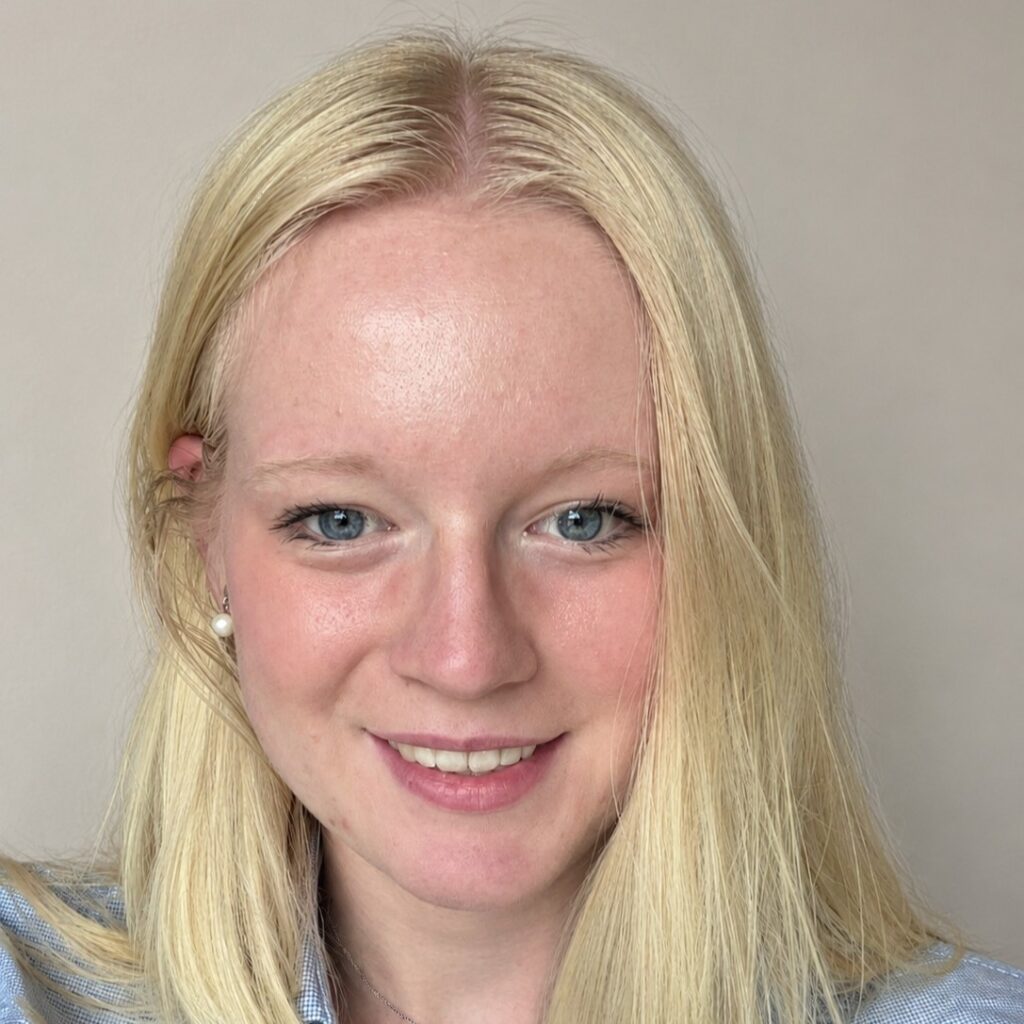
Transaction Manager
Caitlin Rimington joined LGB in October 2026 as the Transaction Manager. She supports the execution of transactions across LGB’s Capital Markets and Investments activities, coordinating the process from origination through to completion. Prior to LGB, Caitlin worked in operations at a fast-growing consumer health and nutrition company, where she managed supplier relationships, supply chain processes and major product launches. Caitlin graduated with an Upper Second Class degree in Politics from Newcastle University.

Portfolio Manager
Max joined LGB in September 2026 as a Portfolio Manager in the Capital Markets team, where he is responsible for the ongoing management of LGB’s MTN Programmes. Prior to LGB, he worked as an Analyst at a specialist short-term real estate lender, where he underwrote bridging and development finance loans from initial enquiry through to completion and played an active role in monitoring the live loan book. Max holds a BSc in Economics from the University of York.

Transaction Manager
Alexia Rottet joined LGB in October 2025 as a Transaction Manager. Prior to LGB, she gained real estate experience by participating in the valuation of a property portfolio for A2immo.ch SA as a financial analyst, as well as working at Form Structural Design as an office manager. Alexia holds an MA in Entrepreneurship and Innovation and a BA in International Relations.
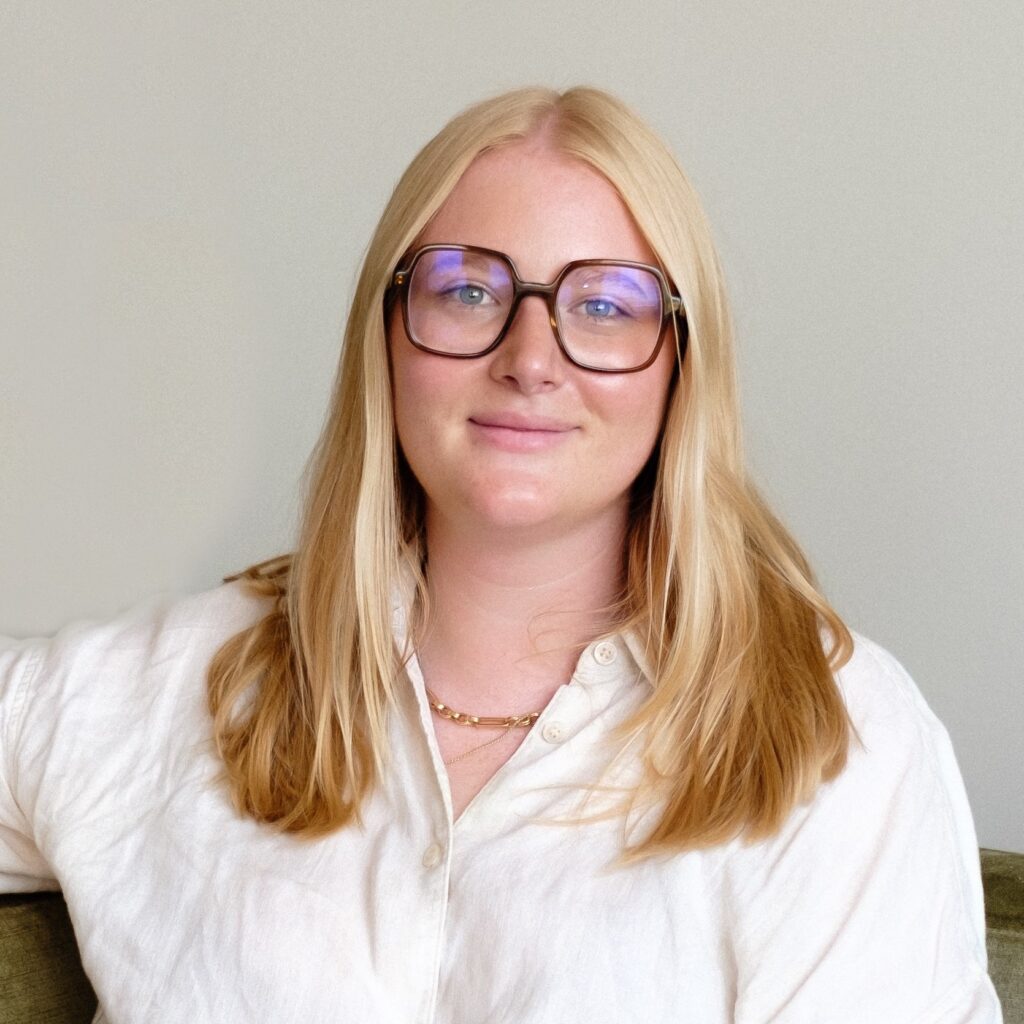
Relationship Manager
Ruby joined LGB in December 2024 as an Assistant Relationship Manager for our investing clients. She is responsible for all day-to-day transactions with investment clients and oversees the LGB Investments Platform and Deal Hub. Prior to LGB, Ruby worked at FHIRST, a start-up where she collaborated with the co-founders on revenue growth and improving client experiences. Ruby graduated with a First-Class degree in History from Durham University, and has obtained the CISI Level 4 Diploma in Investment Advice.
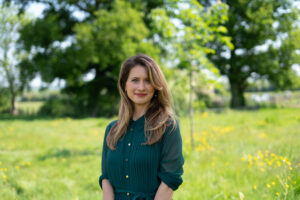
Finance Manager
Following a degree reading Chemistry at The Queen’s College, Oxford, Antonia trained to become a chartered accountant at a London-based audit firm. She then moved into the tax sector joining EY and completing the chartered tax adviser qualification. She then gained further experience working as a finance director within industry at a family office / hedge fund.
Programme size: £20m
Establishment Date: December 2017
Number of issues: 12
Sector: Marine tracking
Focus: Maritime surveillance and management
Programme size: £25m
Establishment Date: XX 2017
Number of issues: 20
Sector: Financial services
Focus: Loans and leasing

Associate Director
Omar joined LGB in February 2026 as an Associate Director in the Capital Markets team. He brings over five years of experience from NatWest, where he worked across the Leveraged Finance Origination and Portfolio Management teams. During this time, he supported a broad range of businesses from venture-backed to large-cap companies, with a primary focus on the mid-market. His experience was sector agnostic, and the majority of the companies he worked with were sponsor-backed, giving him extensive exposure to private equity-led transactions and capital structures. Omar holds a degree in Accounting and Finance from The London School of Economics & Political Science and is a Chartered Banker.
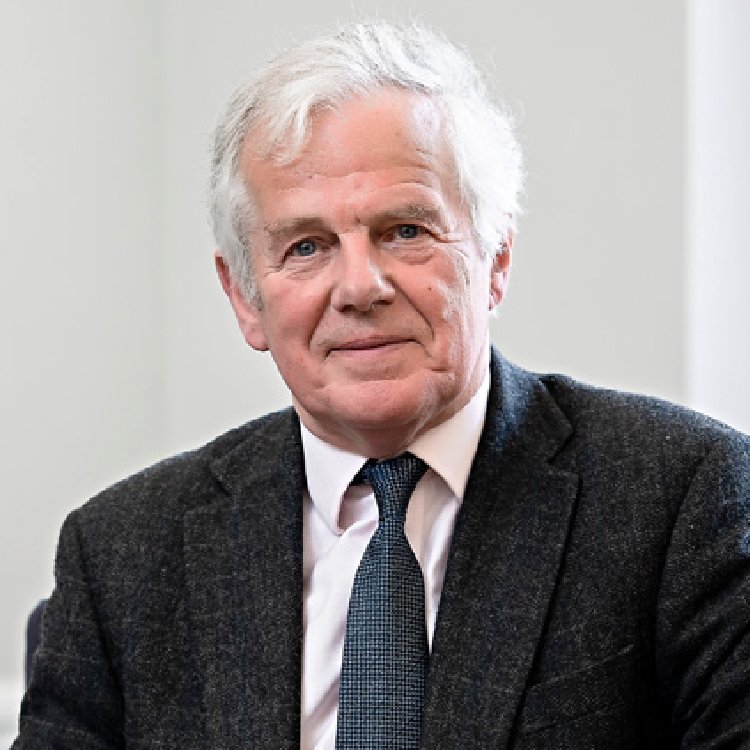
Adviser
Charles has played an important role in developing LGB & Co.’s investment approach by encouraging a focus on investing in businesses with strong IP or know-how with recurring revenue business models that can prosper throughout economic cycles. Charles brings over 30 years’ experience of investing in privately-owned and publicly-listed small and mid-market companies. He is a director of Larpent Newton & Co. and Hygea VCT plc. Charles qualified as a Chartered Accountant at Peat Marwick, now part of KPMG.
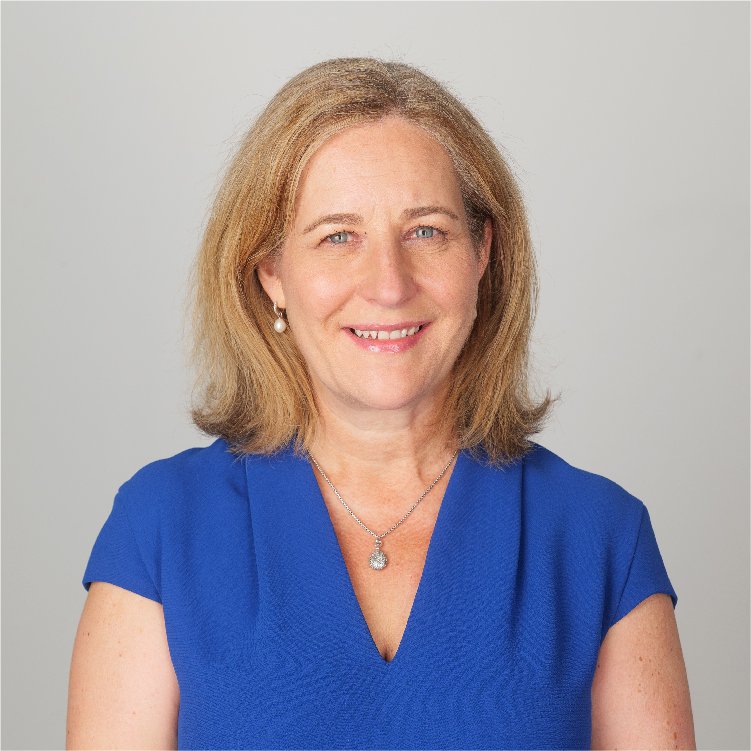
Adviser
Lisa has worked with LGB since 2015 in supporting the on-going cultural and organisational development of the firm, providing advice on strategic people matters. Since 2006, Lisa has been running her own consultancy and executive coaching business, People Possibilities Ltd. Her work is focused on supporting clients at an organisational, team and individual level to enable high performance,improve leadership capability and effect cultural and behavioural change. Previously Lisa has held senior HR leadership positions with Schroders, ABN AMRO and HSBC. Lisa graduated from the University of Birmingham with an honours degree in International Relations & French. She is a Fellow of the Chartered Institute of Personnel and Development (CIPD) and a qualified Executive Coach.
Chairman
Simon became non-executive Chairman of the Board of LGB & Co. with a focus on growth and strategic initiatives in December 2025. Simon has extensive experience in capital markets and wealth management. He previously ran the client and investment business of Heartwood and became Chief Executive in 2008. He led its well-regarded acquisition by Handelsbanken in 2013. Simon subsequently became NED and Chair of AIM-listed WH Ireland Group PLC. He was also asked to represent the wealth management sector on the FCA Smaller Business Practitioner Panel from 2013-2016.
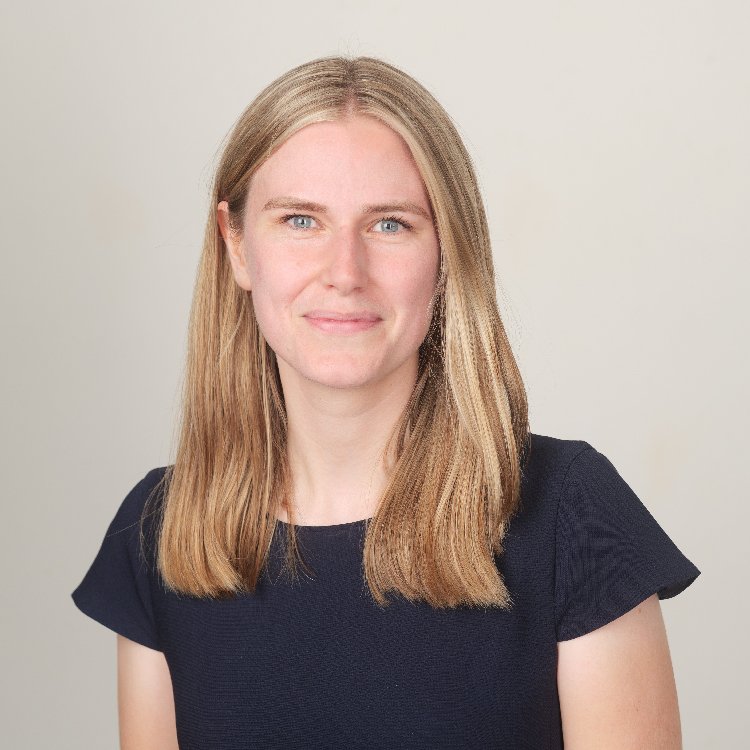
Associate Director
Megan joined LGB in 2021 as a Relationship Manager. She is responsible for all day-to-day transactions with investment clients and oversees the LGB Investments Platform and Deal Hub. Prior to LGB, Megan worked at Puma Investments, a tax-efficient investment provider, in the sales and investor services team. Megan graduated from the University of Bath with a Bachelor of Science degree in Psychology, and has obtained the CISI Level 4 Diploma in Investment Advice.
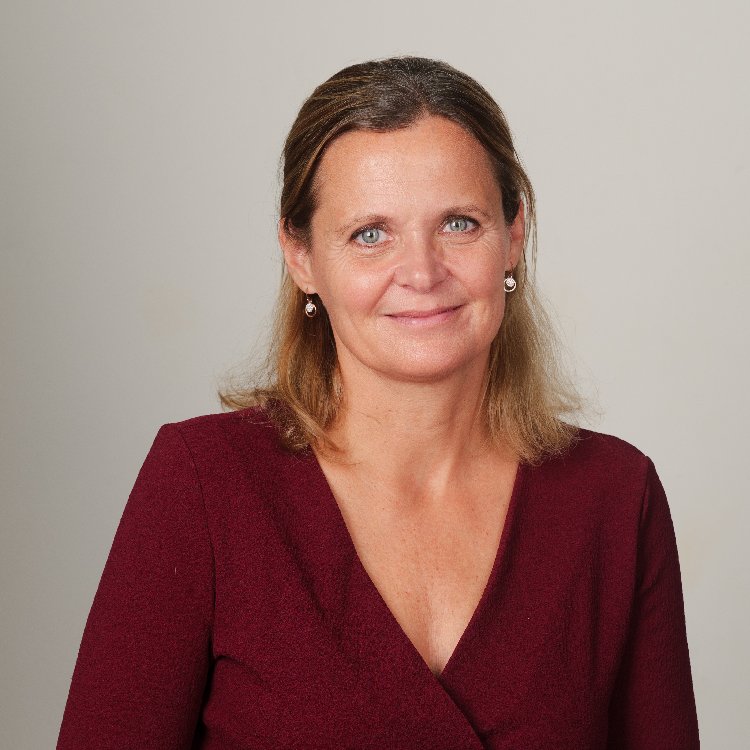
Managing Director
Simone joined LGB in 2012 and is responsible for LGB & Co.’s business with institutional investors, wealth managers and sophisticated private investors. Simone’s team provides access to a range of compelling investment opportunities with a particular emphasis on structuring laddered portfolios of fixed income. In addition, the team manages portfolios of clients who have entered into advisory agreements with LGB Investments, and advises the fund managers of the Guernsey-based LGB SME Private Debt Fund. Prior to joining LGB & Co., Simone worked in the institutional fixed income department of Citigroup Global Markets. She began her career at Citigroup Private Bank in Geneva. Simone graduated from the University of Lausanne with a degree in HEC, Business Administration. She is a Chartered Member of the Chartered Institute for Securities & Investments and a Director of LGB.
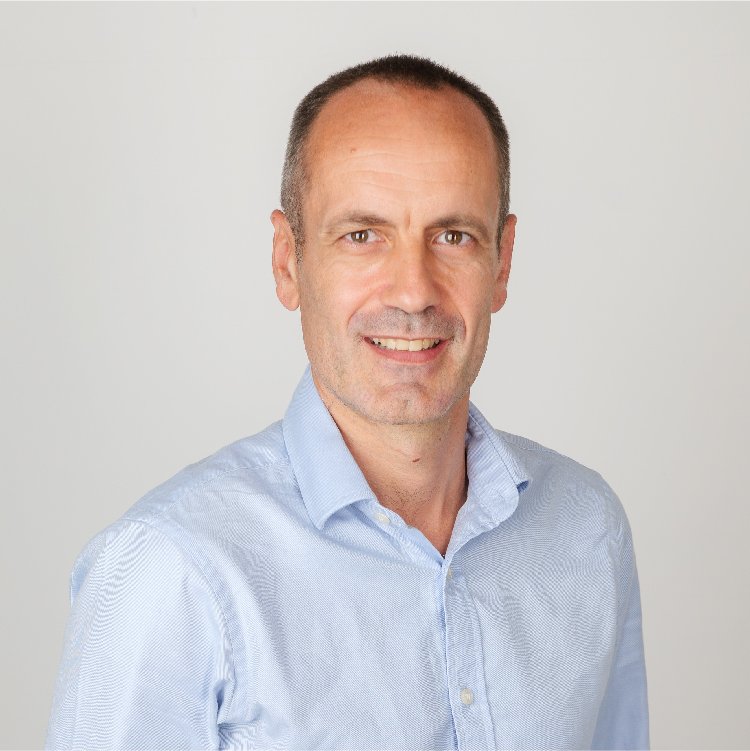
CEO
Cedric was appointed CEO in July 2022 after a period of 18 months as a COO. Cedric spent 15 years working on the energy and commodities sales and trading desks for global banks (BNP Paribas, BAML and MUFG). He gained extensive international exposure, being based in London and Singapore and covering transactions in all geographic regions. Cedric graduated from Global Executive MBA at INSEAD in 2018 and started working in the capital markets space for growth-stage companies. He is also a director of LGB.
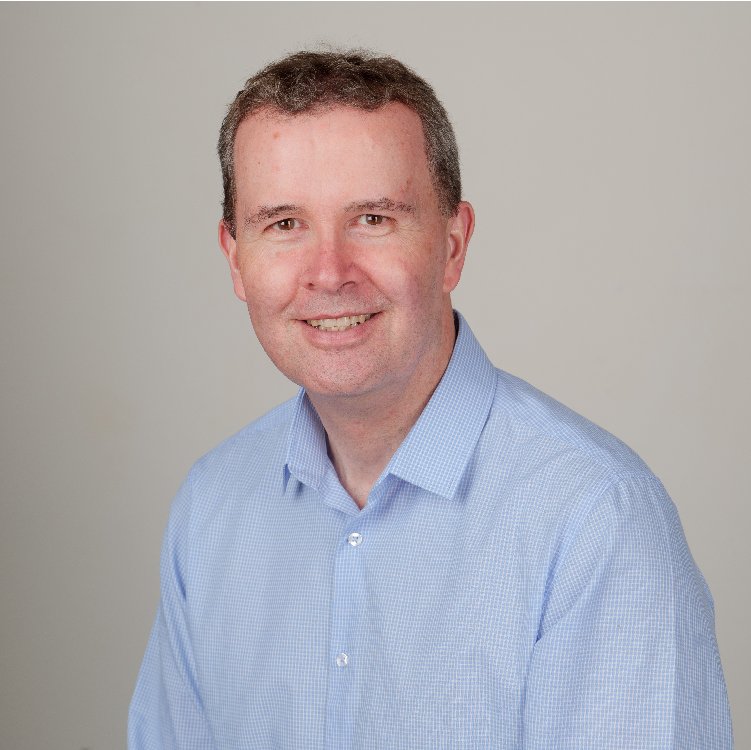
Managing Director, Capital Markets
Andrew founded LGB & Co. in 2005 and is managing the Capital Markets team. He has a particular focus on the development of strategic relationships with corporate clients and business partners. Prior to founding LGB & Co., Andrew was a Managing Director at Citigroup Global Markets, where he was responsible for its fixed-income business with private banks and retail institutions. Earlier in his career Andrew worked at Schroders in London and Tokyo. Andrew graduated from Oxford University with a degree in Modern History. He is a chartered member of the Chartered Institute for Securities & Investment.